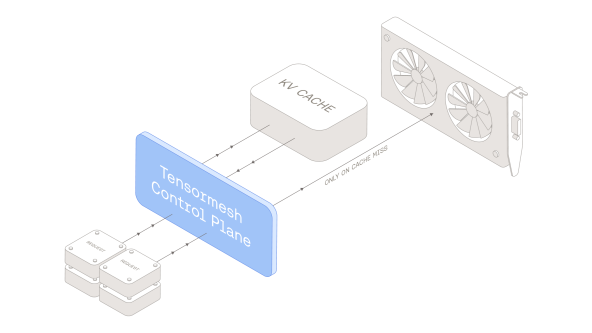
From long documents to agent workflows and multi-turn conversations, Tensormesh helps AI apps reuse repeated context instead of processing it from scratch on every request.
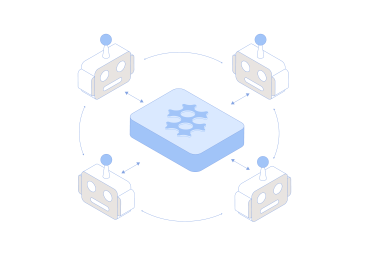
Agents often reuse the same instructions, tools, documents, and workflow state across multi-step tasks. Tensormesh caches that repeated context so each step can run faster and cost less.
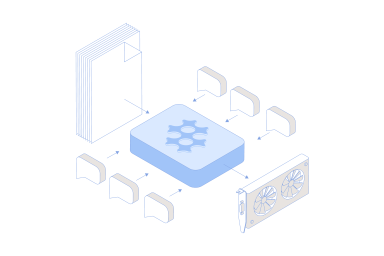
Document-heavy apps often analyze the same contracts, reports, policies, manuals, or PDFs across summaries, extractions, and follow-up questions. Tensormesh helps reuse that document context across requests.
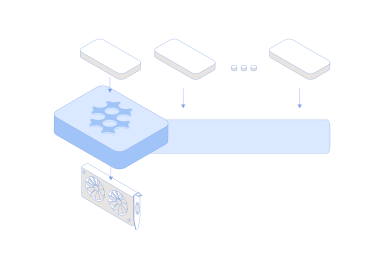
AI assistants often carry the same instructions, user history, and shared context across long sessions. Tensormesh helps reduce repeated processing as conversations continue.
Find the right serverless model for your workload using model, capability, and use case filters.
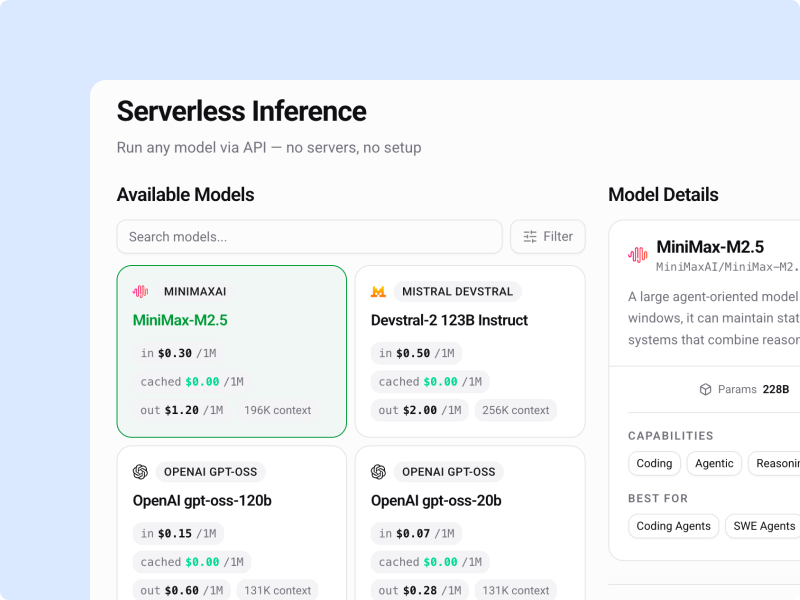
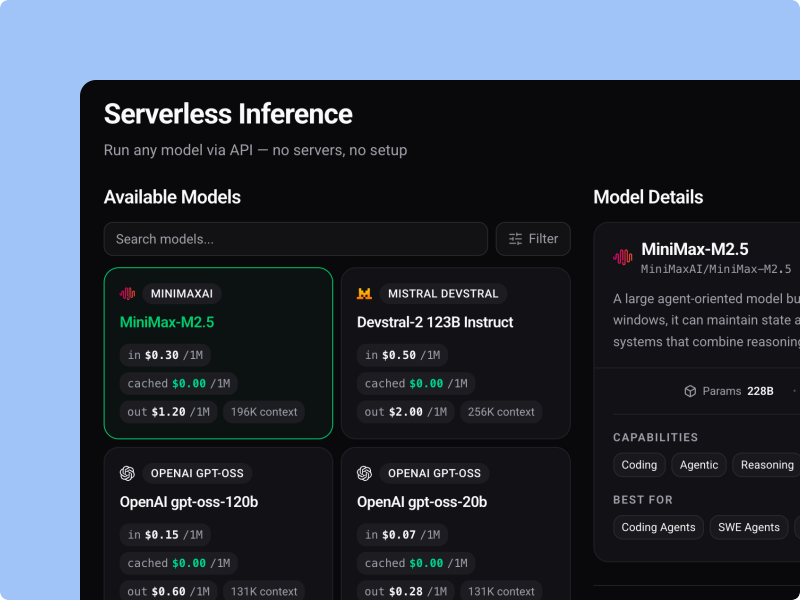
Find the right serverless model for your workload using model, capability, and use case filters.
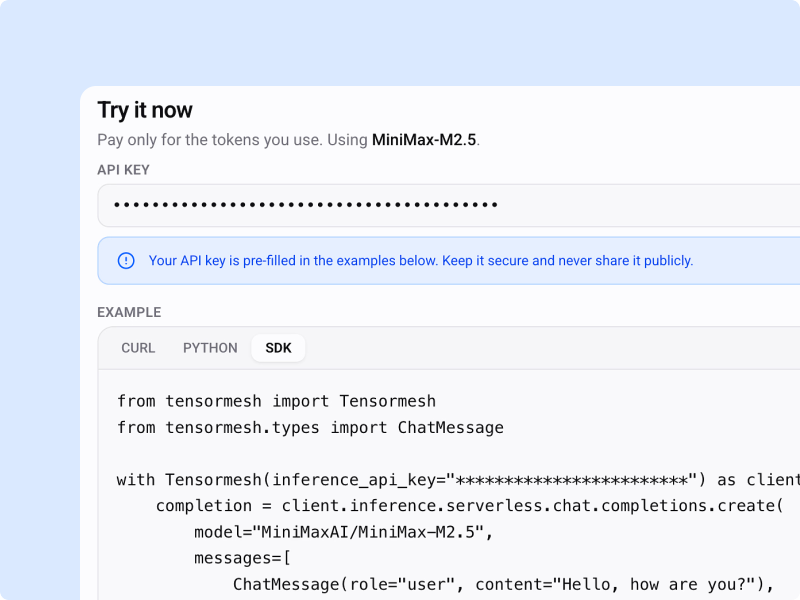
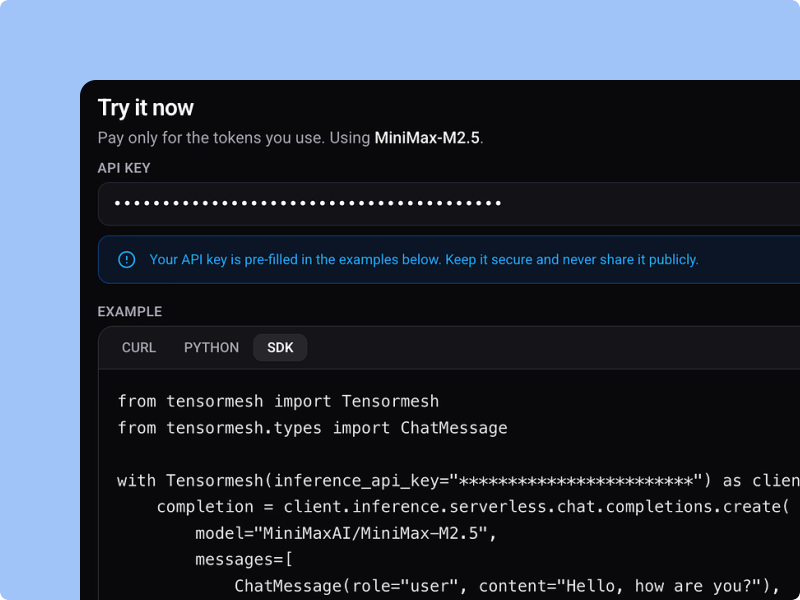
Run inference immediately with no servers to manage and no deployment step required.
Tell us what your workload needs, including GPU type, cluster size, timeline, use case, and any custom networking, storage, compliance, or SLA requirements.
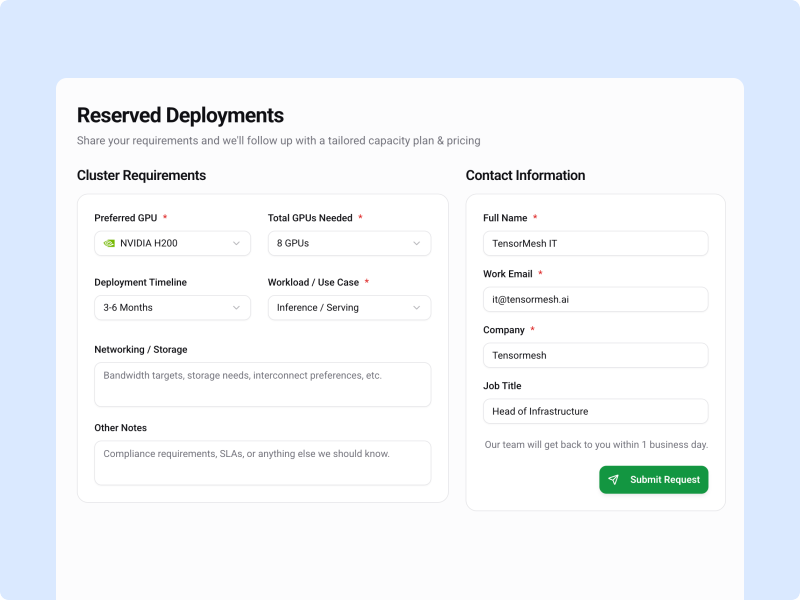
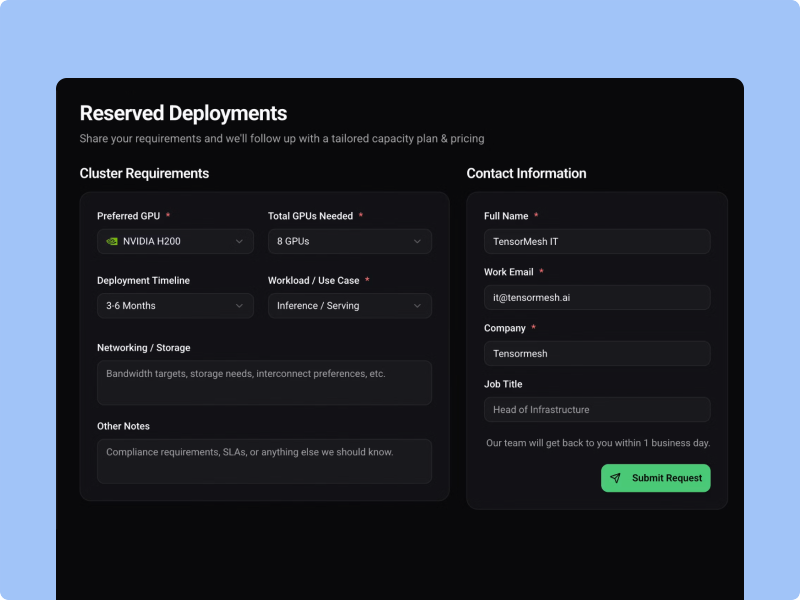
The Tensormesh team reviews your request and works with you to define the right capacity plan, pricing, hardware roadmap, and deployment timeline.
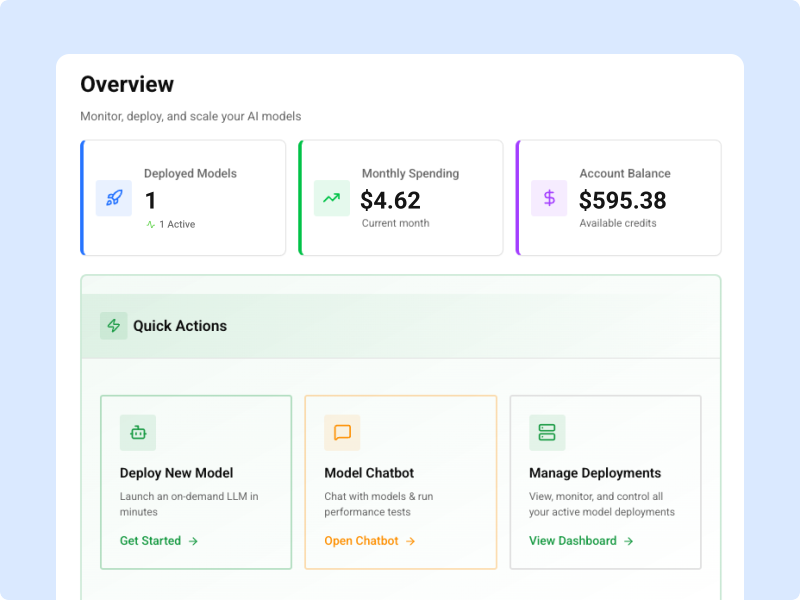
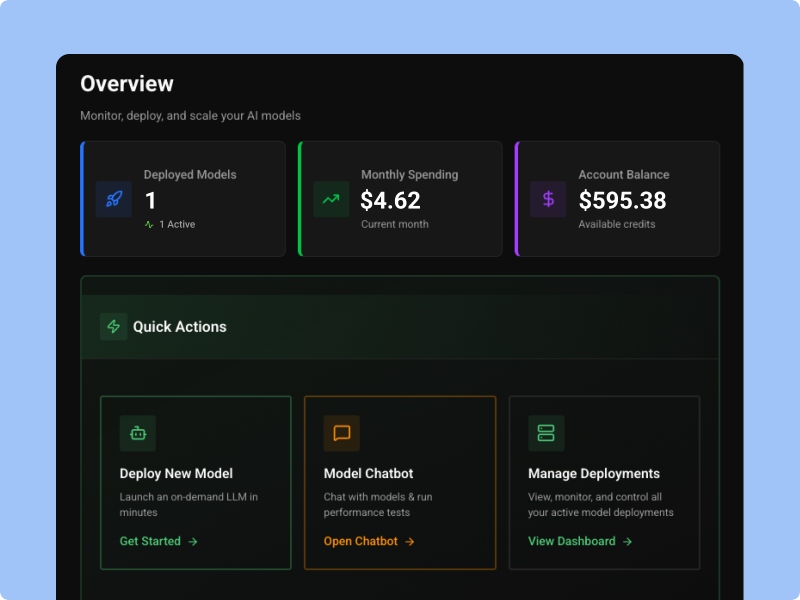
Your reserved GPU capacity is provisioned for your organization, giving your team reliable performance for large-scale production AI workloads.
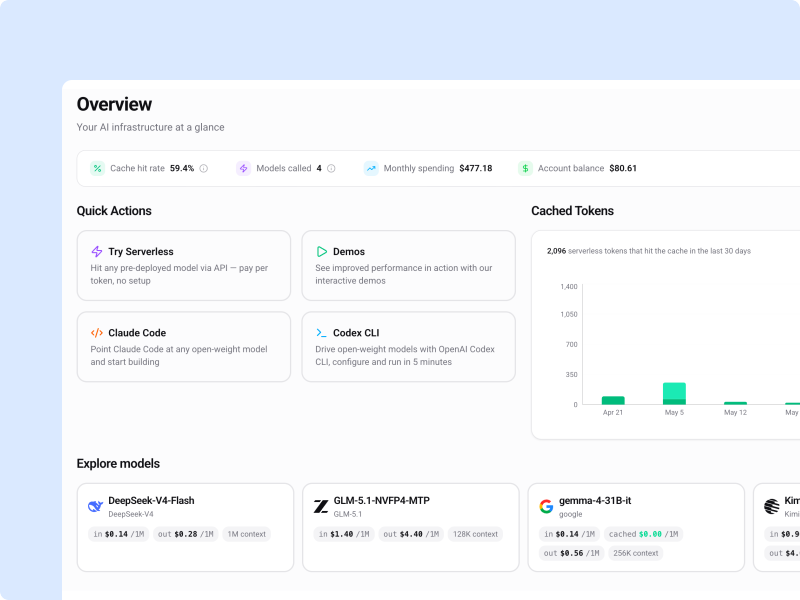
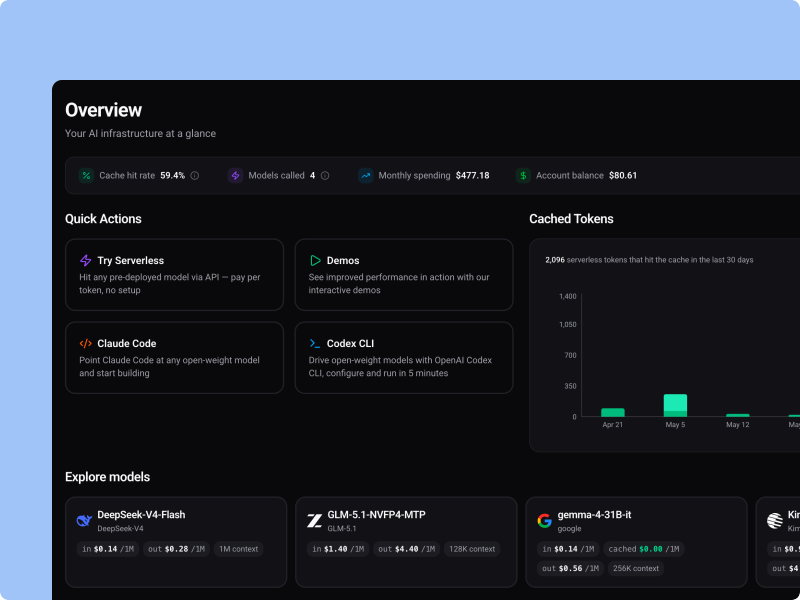
Tensormesh gives teams the caching layer, observability, reliability, and security needed to run context-heavy AI workloads at scale.
Tensormesh manages repeated context across GPU memory, host memory, and local storage so your app can reuse more context without overloading GPU memory.
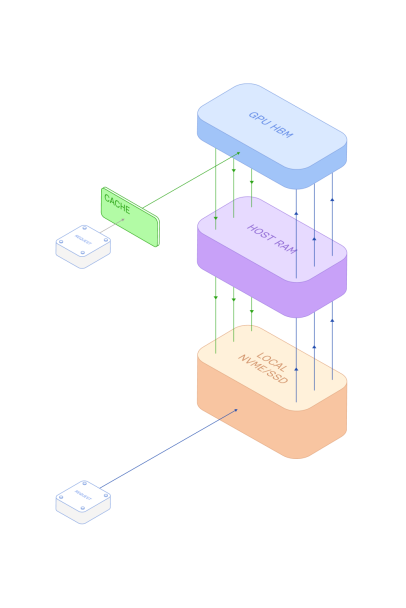
Immediate execution for active tokens.
Sub-second retrieval for recurring context and multi-turn loops.
Persistent caching for long documents, recurring workflows, and large context sets.
Tensormesh gives teams the visibility, reliability, and security controls needed to run context caching across production AI workloads.
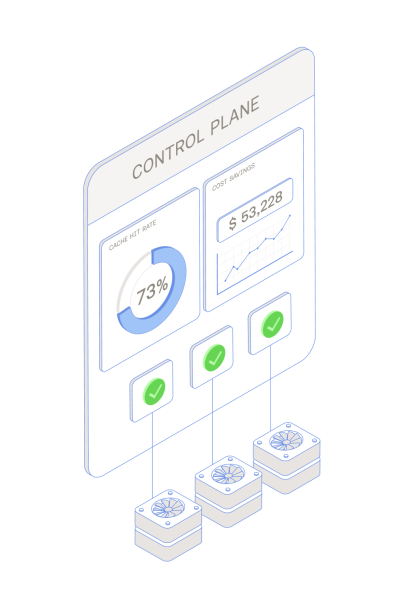
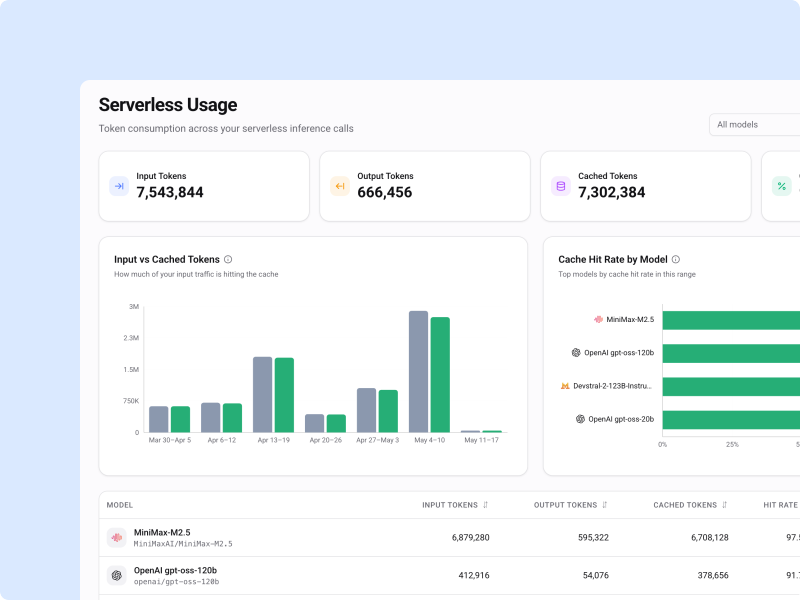
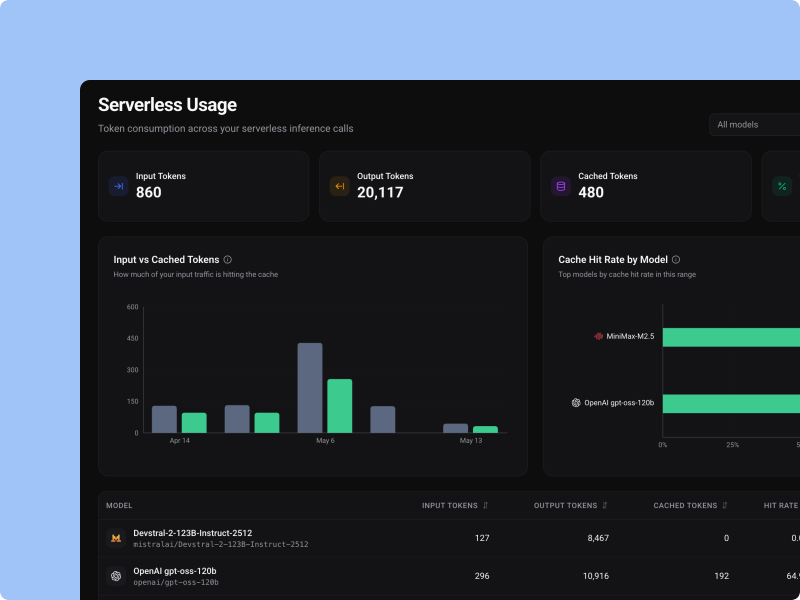
Track cache hit rates, throughput, latency, cost savings, and infrastructure health across your deployment.
Keep production workloads running with automatic failover, redundancy, and continuous monitoring.
Enterprise-grade security with data encryption, access controls, and compliance-ready architecture for sensitive workloads.